Knowledge that remains alive.
Some knowledge is carried in books. Other knowledge remains in hands.
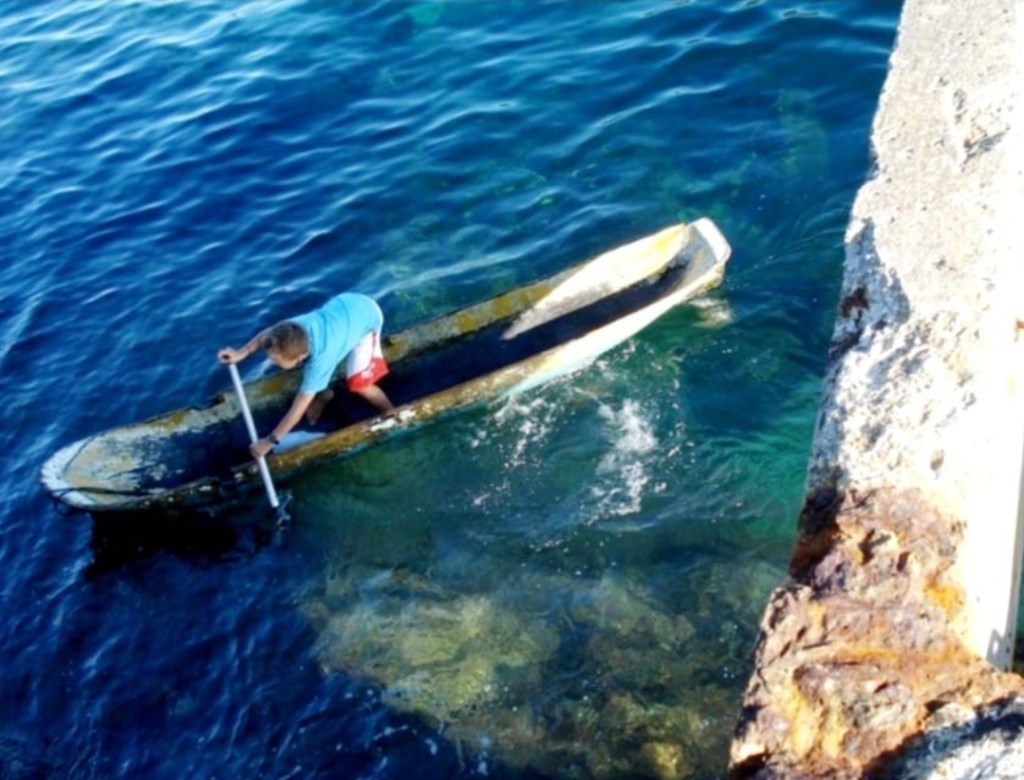
In the way a canoe is built, a plant is recognized, a net is woven, a story is remembered, a recipe is prepared, or the sea is read.
Living heritage is knowledge that continues to move through everyday life — carried by people, relationships, gestures, stories, skills, language, play and place.
My work with children has taken me across different communities and territories where culture is lived through everyday experience.
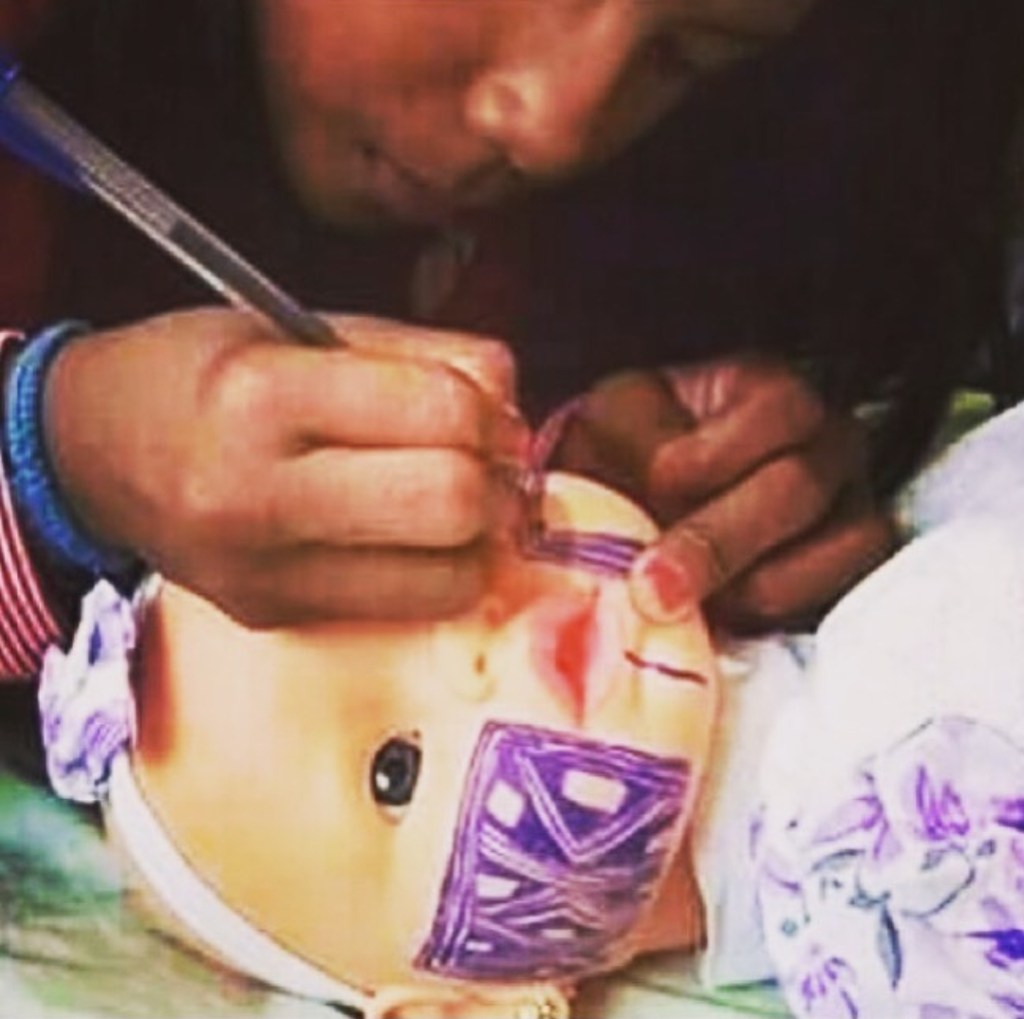
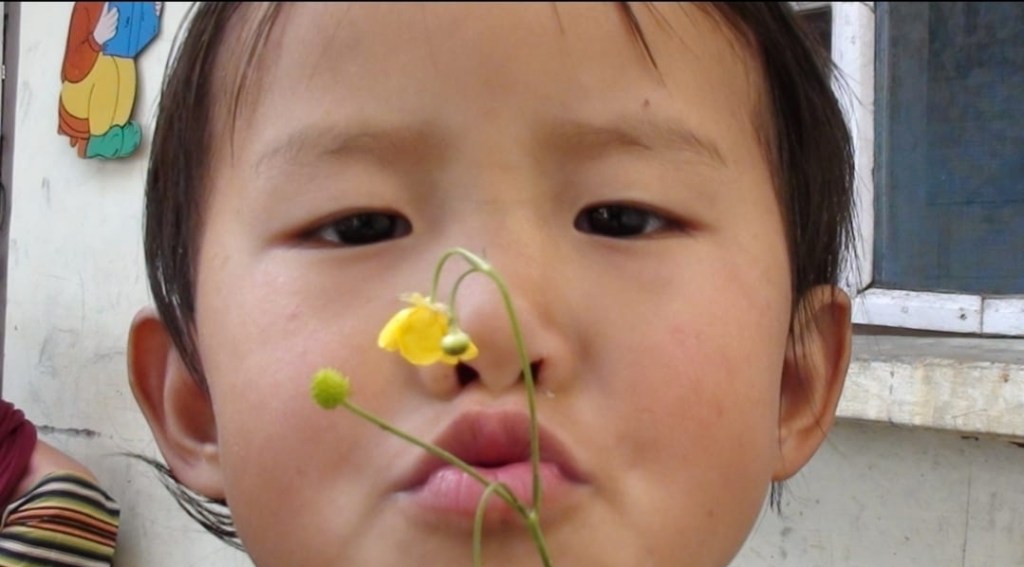
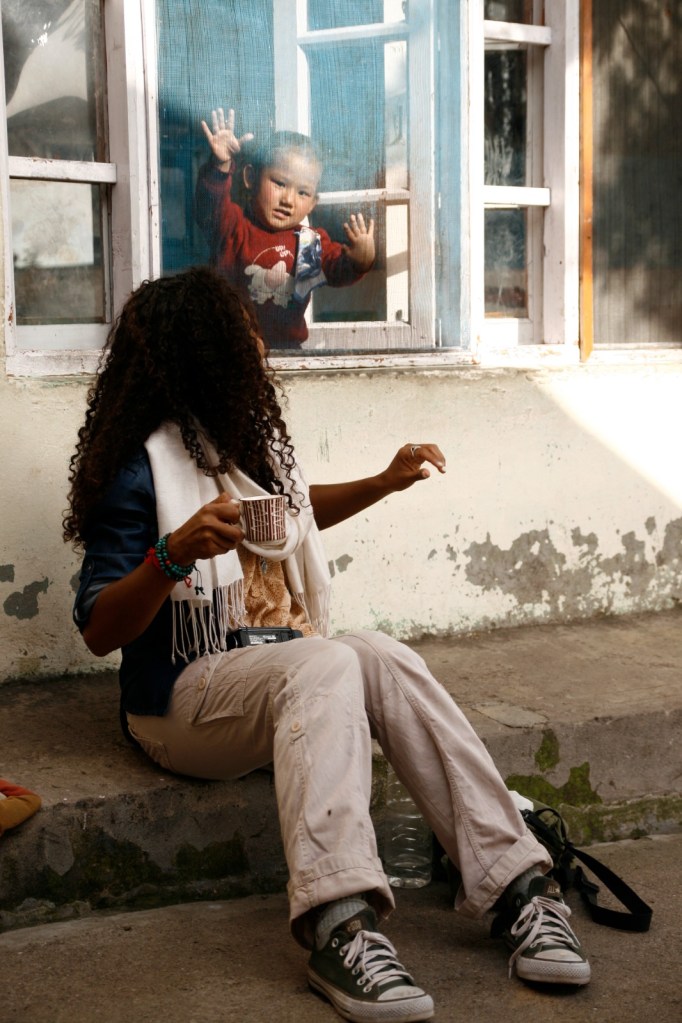
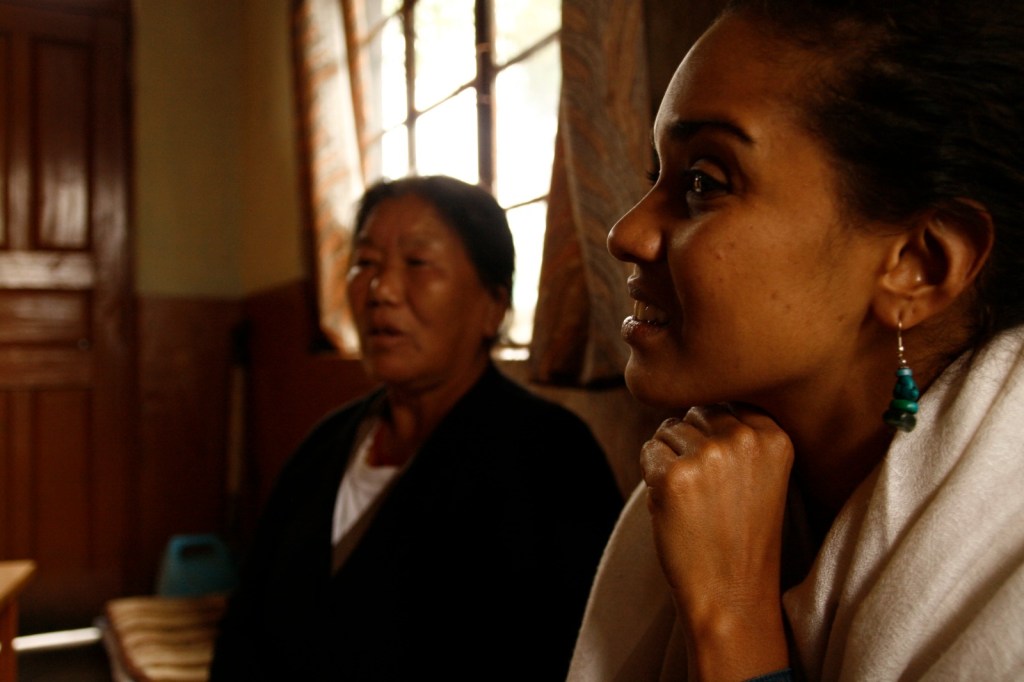
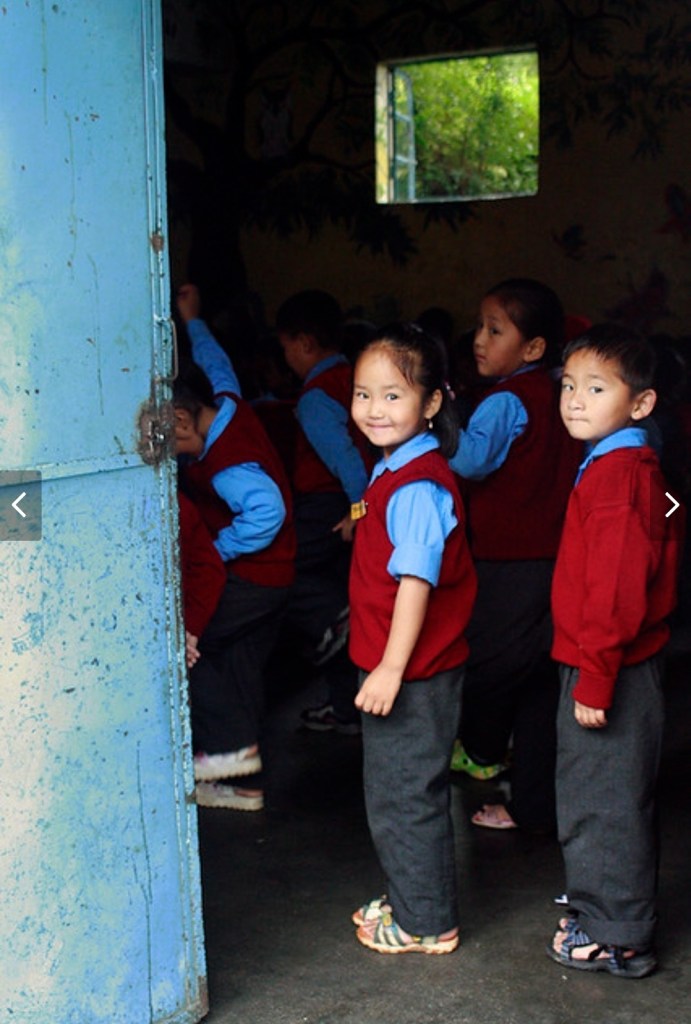
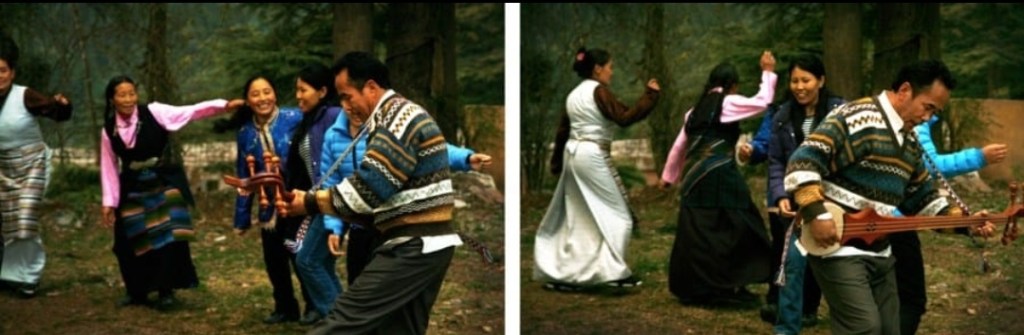
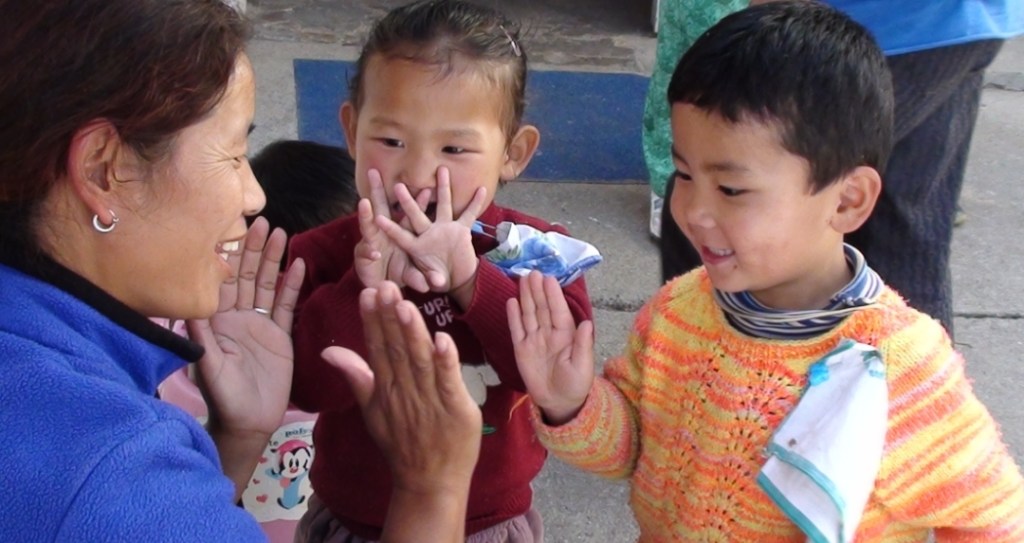
In the Tibetan refugee communities of India, including my work with children at Tibetan Children’s Village (TCV), I explored how culture, memory and identity continue to live through everyday practices, stories and traditions.
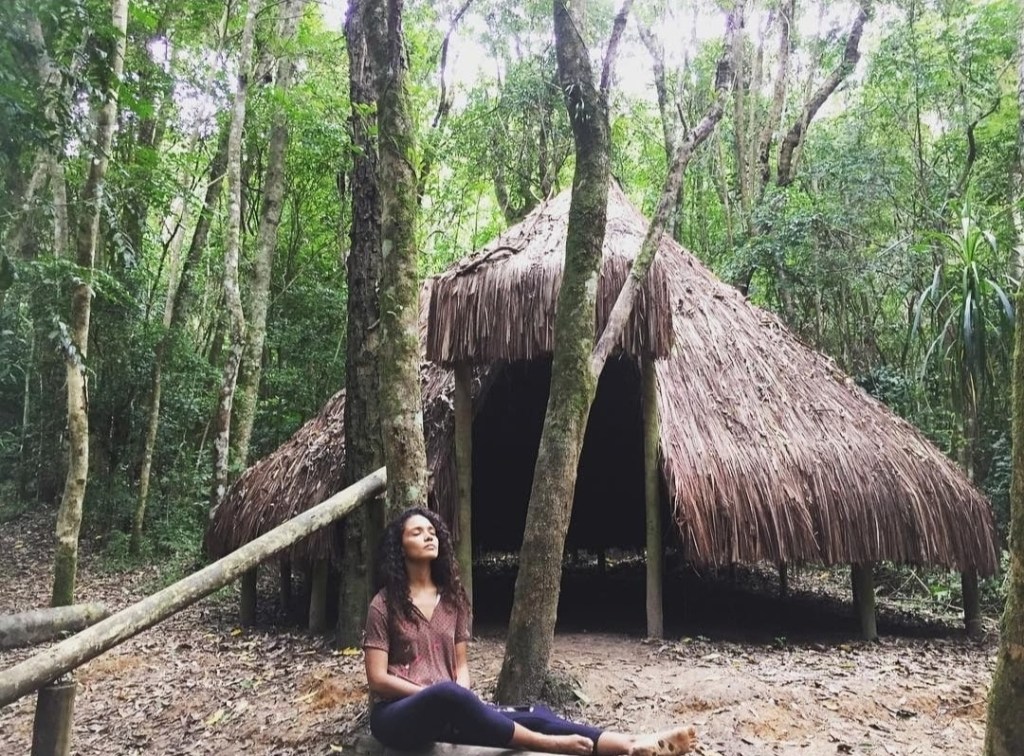
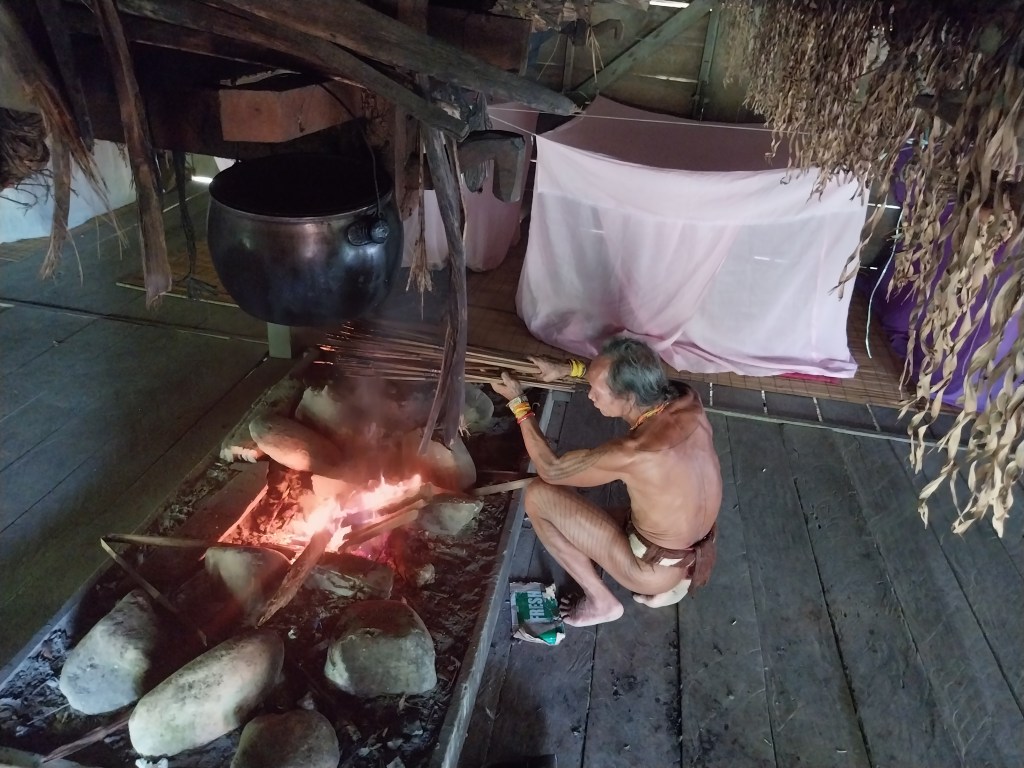
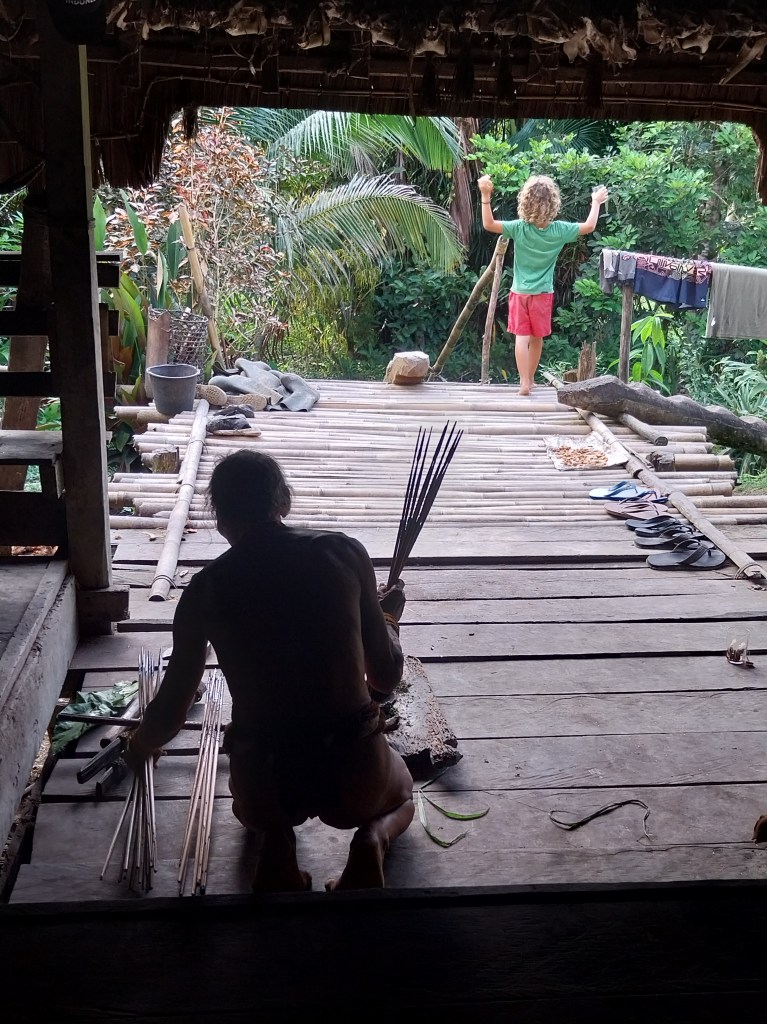
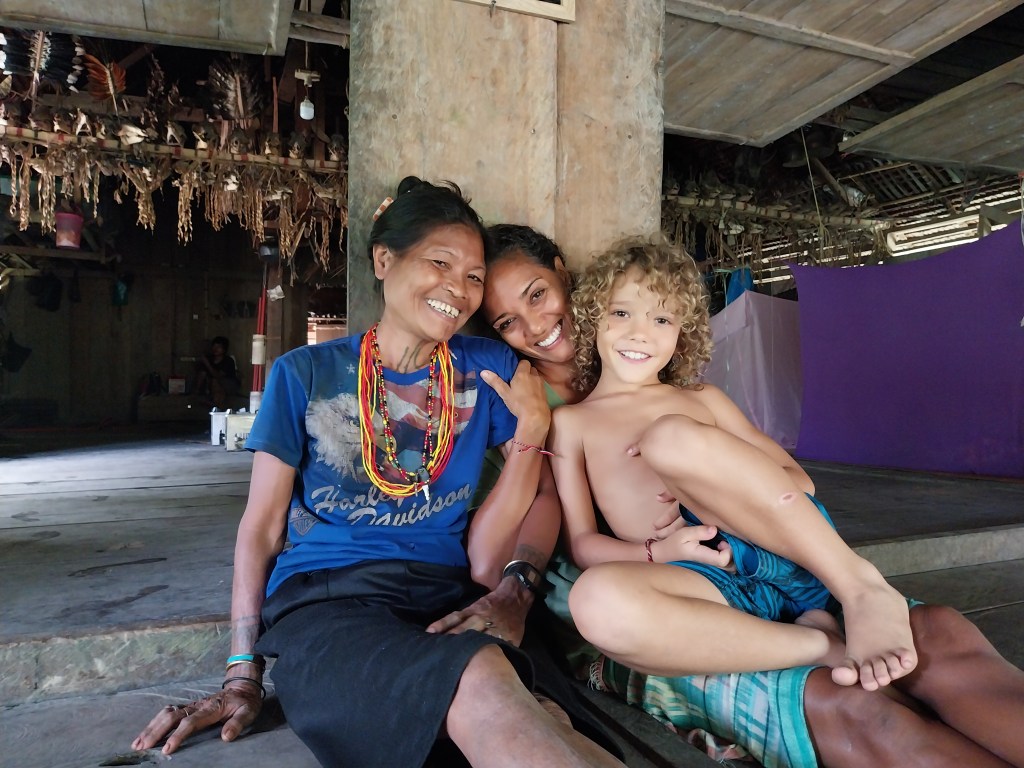
In Mentawai, I encountered living knowledge deeply connected to community, territory and the natural world.
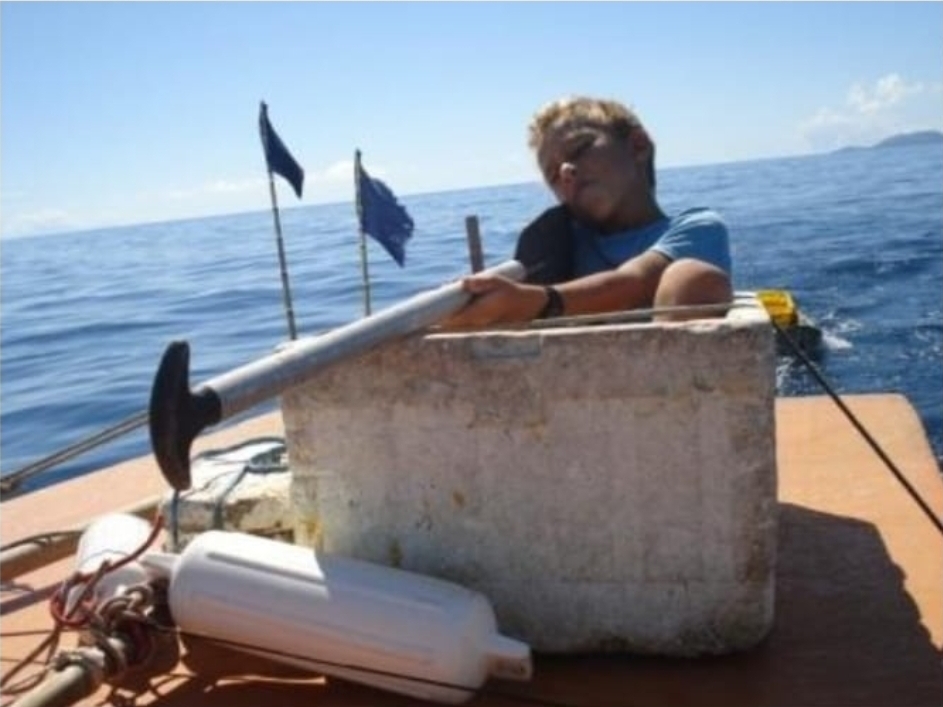
In the Caiçara communities of Ilhabela, Brazil, I observed how children grow within a living relationship with the sea, the rainforest, community life and the knowledge carried through generations.
Across these different contexts, I have become interested in how children experience, carry and reinterpret what a community knows. Children are not only receivers of cultural knowledge. They are participants in it.
They discover what is already there — and, in their own ways, sometimes transform it into something new.
This is where living heritage meets childhood.
What is carried across generations is not simply preserved. It is lived, interpreted and given new meaning by each generation.
The child becomes a bridge between what has been carried before and what is still becoming.